Simulation is rapidly emerging as a fundamental element of industrial automation. According to Global Market Insights, the global digital twin market was valued at USD 13.6 billion in 2024 and is projected to reach USD 18.9 billion in 2025. The market is further expected to surpass USD 400 billion by the mid-2030s, fueled largely by growth in manufacturing, automation, and virtual commissioning applications. Once regarded mainly as an engineering best practice, simulation is now increasingly being recognized as a strategic driver throughout the entire automation lifecycle.
In collaboration with Visual Components, a member of the KUKA Group since 2017, KUKA is advancing the adoption of industrial simulation across engineering, production planning, commissioning, and lifecycle management. The partnership aims to deliver tangible benefits for customers, partners, and the wider manufacturing sector. “Simulation is no longer an optional engineering tool – it is a strategic capability,” says Christoph Schell, CEO KUKA Group. “With Visual Components, we are empowering our customers and partners to reduce risk, shorten time-to-market, and unlock new levels of efficiency across the entire automation lifecycle.”
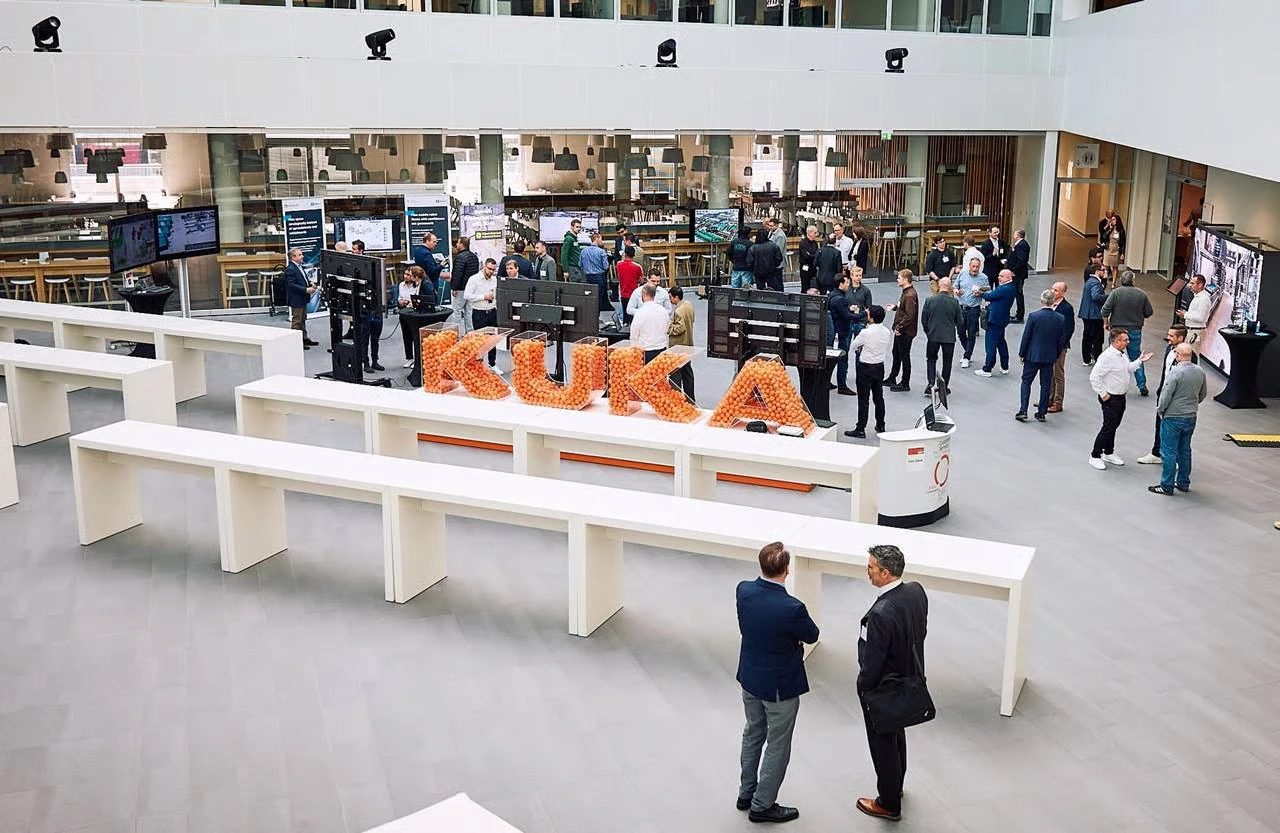
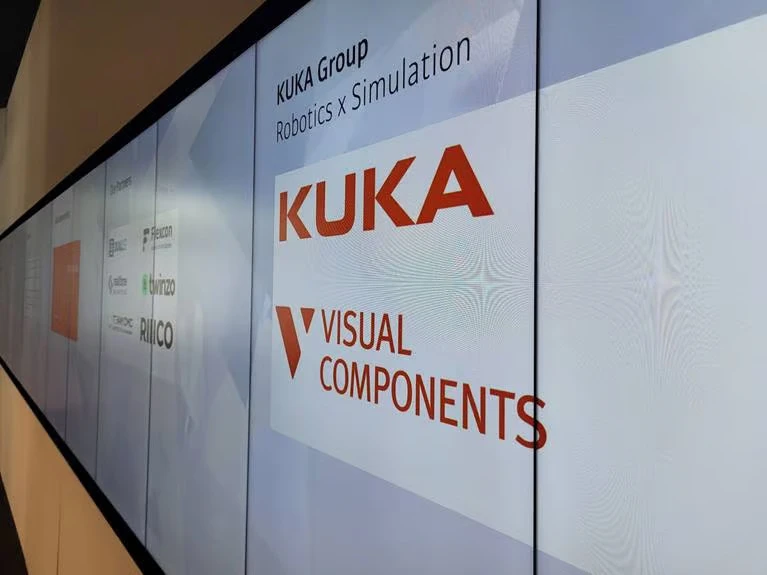
KUKA Group’s ecosystem unites international customers, system integrators, and technology specialists to demonstrate how simulation-driven methodologies are transforming the design, validation, and deployment of automation solutions. This strategic direction was further highlighted during a Simulation Event hosted at KUKA’s headquarters in Germany, with support from Visual Components partners including TWINZO, RIIICO, DUALIS, Realtime Robotics, Flexcon, and Team CMC, all of whom contribute expertise in industrial simulation.
Visual Components, which introduced the major Visual Components 5.0 update in March, plays a significant role in this ecosystem. Its simulation platform enables the development of high-fidelity digital twins, collaborative production planning, and data-driven decision-making at the earliest stages of a project — long before physical systems are constructed.
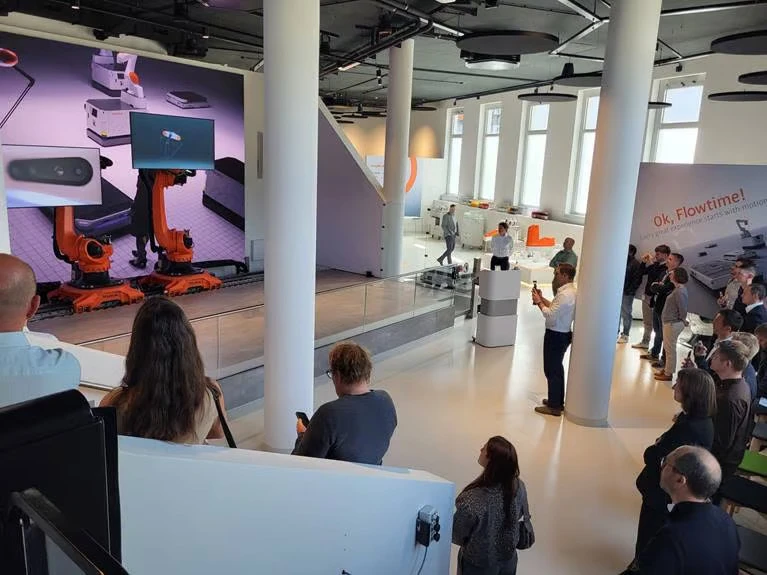
Simulation Event at KUKA headquarters in Augsburg: Together with partners and customers, KUKA and Visual Components demonstrate how simulation-driven automation is transforming production.
From Planning Tool to Strategic Advantage
Strengthening the KUKA Group Partner Ecosystem
The Simulation Event also underscored KUKA Group’s commitment to its global partner ecosystem, where system integrators, engineering companies, and technology providers play a vital role in implementing simulation-driven automation solutions for customers worldwide. “Working with KUKA and Visual Components in the development of our production cells has significantly improved both our product and process development. Through simulation and data-driven analysis of our production data, Visual Components enables us to shorten development cycles, enhance process efficiency, and accelerate time-to-market,” said Dr. Jürgen Fründ. Visual Components serves as a shared platform that supports consistent workflows, faster project execution, and stronger collaboration across organizations and industry partners.
“Using Visual Components together with KUKA technology allows us to simu-late complete production systems with an unprecedented level of realism,” says Matthias Wilhelm, Sales Director for Germany, Austria and Switzerland at Visual Components. “This fundamentally changes how we collaborate with customers and deliver projects.” For end customers, the strategic push for simulation means greater transparency and confidence in automation investments. “For us, Visual Components is a key building block within the digital engineering toolchain we are developing. We see strong strategic value in the application of Visual Components and look forward to enlarging the functionality of our product library in the eCatalog”, says Matthias Vietz, Software Engineer and Product Owner at Bosch Rexroth.
Automation 2.0: Simulating the Future of Manufacturing
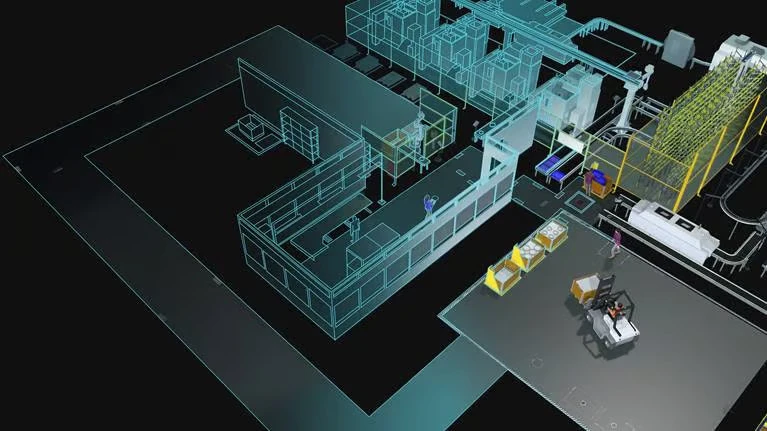
By integrating real-world automation expertise with advanced simulation technologies such as Visual Components, KUKA Group enables customers and partners to design, test, and scale flexible production systems more quickly and with greater confidence. Digital twins, virtual commissioning, and collaborative simulation environments are central components of the Automation 2.0 strategy, helping manufacturers adapt to increasing complexity, customization demands, and rapidly changing market conditions with improved agility and resilience.